
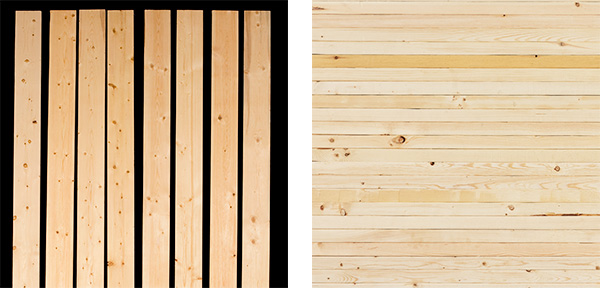
Spruce–Pine–Fir, S-P-F
Spruce–Pine–Fir, commonly known as S-P-F, is one of Canada’s most widely used softwood groups. Made up mainly of white spruce, lodgepole pine and subalpine fir, it is valued for its light colour, good working properties and high strength-to-weight ratio. S-P-F is widely used in structural framing, prefabricated building systems and general construction where consistent quality and reliable performance are required.
Click to download details (BC_interior_species_and_lumber_grade_book_2020-1)
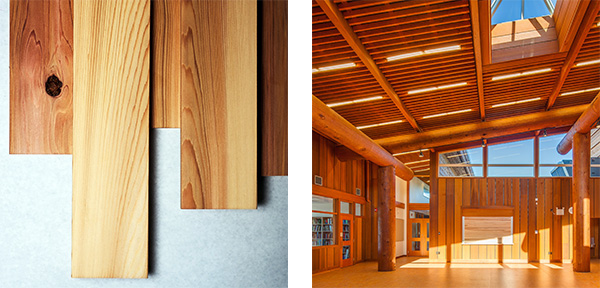
Western Red Cedar
Western Red Cedar is one of British Columbia’s most distinctive and valuable softwood species. Known for its warm colour, fine texture, dimensional stability and natural resistance to decay, it is especially suited to cladding, decking, shingles, joinery and other exterior applications. Its appearance and durability also make it a popular choice for interior design and specialist architectural uses.
Click to download details (BC-coastal-species-lumber-grades-publication)
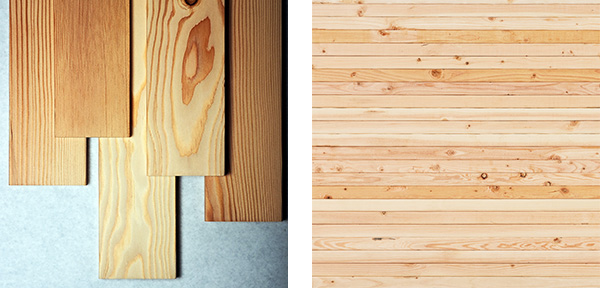
Douglas-fir
Douglas-fir is a strong and versatile Canadian softwood used widely in structural and heavy timber applications. Found in both coastal and interior regions of British Columbia, it is recognised for its strength, stiffness, hardness and straight grain. It is commonly used for beams, roof trusses, glulam, structural components and other applications where dependable performance and good workability are important.
Click to download details (BC-coastal-species-lumber-grades-publication)
Click to download details (Interior Douglas Fir Technical)
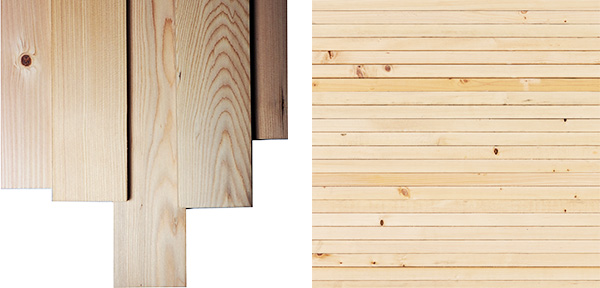
Western Hemlock
Western Hemlock is the most abundant tree species on the British Columbia coast and is often marketed with amabilis fir as Hem-Fir. It is valued for its strength, stiffness, even texture and good finishing properties. Western Hemlock is used in general construction, roof decking, plywood, mouldings, doors, floors and interior woodworking where consistency and appearance are important.
Click to download details (BC-coastal-species-lumber-grades-publication)
Yellow Cedar
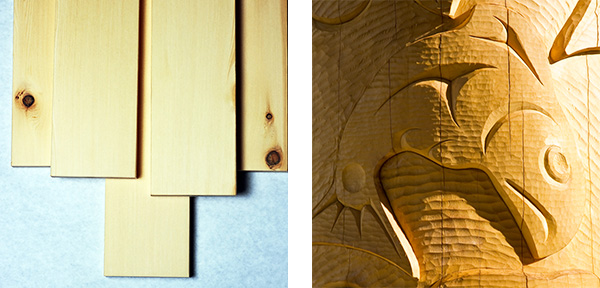
Yellow Cedar is a strong, durable and highly valued softwood found along the coast of British Columbia. Recognised for its pale yellow colour, fine even texture, dimensional stability and exceptional natural resistance to decay, it performs particularly well in demanding exterior environments. Yellow Cedar is commonly used for decking, cladding, marine applications, bridges, outdoor structures, joinery and other architectural uses where durability, strength and appearance are important.
Red Oak
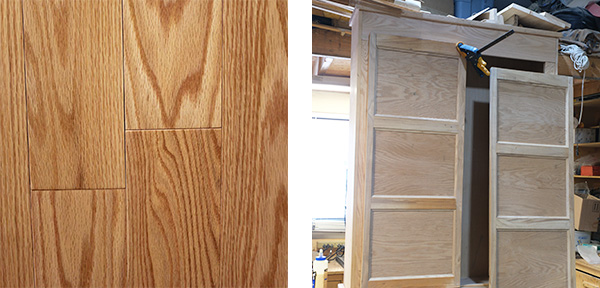
Red Oak is a popular and durable hardwood known for its dramatic grain pattern and colour range from light pink to dark reddish brown. It is heavy, hard and stiff, with good shock resistance and strong steam-bending qualities. Red Oak stains well in a wide range of tones and is commonly used for cabinetry, flooring, trim, furniture and other interior applications.

Sugar Maple / Hard Maple
Sugar Maple, also known as Hard Maple, is a strong, hard and pale-coloured hardwood with excellent wear resistance. Its sapwood is typically ivory white with a slight reddish-brown tinge, while the heartwood ranges from light greyish brown to dark tan. It is widely used for flooring, furniture, cabinetry, architectural millwork, countertops, cutting boards, veneer, musical instruments and sports equipment.
Red Maple / Soft Maple
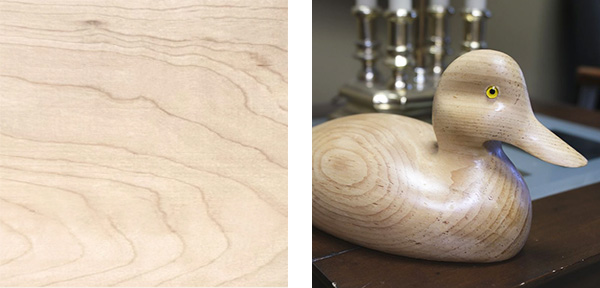
Red Maple, commonly known as Soft Maple, has a similar grain pattern to Hard Maple but is lighter in colour and softer in density. Its sapwood is pale to almost white, while the heartwood is grey to pale reddish brown, often with characteristic brown streaks. Red Maple stains and finishes well, making it suitable for furniture, mouldings, architectural millwork, turnings and carved interior details.
Black Cherry
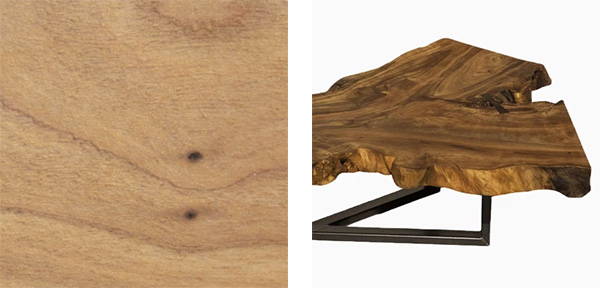
Black Cherry is a highly regarded hardwood valued for its rich colour, stability and exceptional finishing qualities. Its heartwood ranges from deep red to reddish brown, while the sapwood is white to light yellowish cream. Black Cherry has long been used in fine carpentry and is commonly selected for high-end furniture, cabinetry, flooring, trim, interior finishes and musical instruments.
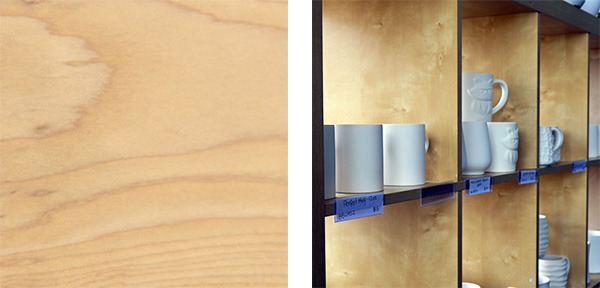
Yellow Birch
Yellow Birch is a hard, heavy and versatile hardwood with good shock resistance and strong machining, bending and turning properties. Its sapwood is creamy white to light yellow, while the heartwood is reddish brown, creating distinct colour options such as sap birch and red birch. Yellow Birch is used for furniture, veneer, doors, cabinetry, plywood, flooring and other applications where a natural appearance is desired.
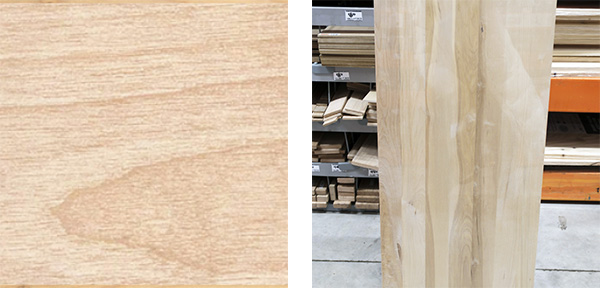
White Birch
White Birch, also known as Paper Birch, is generally lighter and softer than Yellow Birch and is recognised for its pale, clean appearance. It has creamy white sapwood and pale brown heartwood, and it shapes, bends, turns and stains well. White Birch is used for furniture, woodenware, dowels, utensils, hockey stick components and other specialist manufactured products.
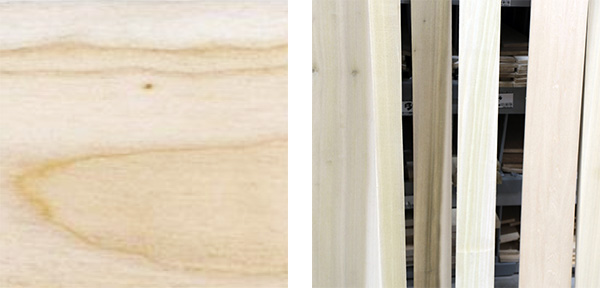
Poplar / Aspen
Poplar, also known as Aspen, is a light, affordable and easy-to-work hardwood with moderate strength. Its sapwood is creamy white and its heartwood is greyish brown to greyish white, with a generally subtle transition between the two. It takes paint and stain well and is commonly used for mouldings, door core stock, interior cabinet parts, framing, wooden cookware and other practical applications.

Eastern White Pine
Eastern White Pine is a softwood species known for its straight grain, light weight and ease of working. Its heartwood is light brown, sometimes with a reddish hue, while the sapwood is creamy white. It is a classic choice for woodworking and is used for interior finishes, mouldings, cabinetwork, doors, windows, siding, panelling and specialist woodworking projects.